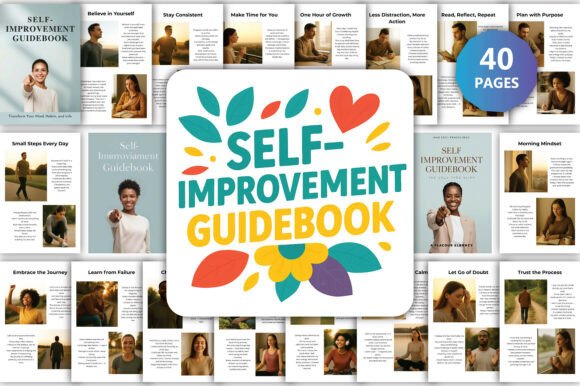
Transform Your Life with the Self-Improvement Guidebook
The Self-Improvement Guidebook is more than just a book—it’s a daily companion designed to help you cultivate a mindset of growth, build consistent habits, and achieve emotional balance. Whether you're looking to boost your confidence, stay focused on your goals, or simply find peace in the chaos of everyday life, this guidebook offers a unique blend of practical wisdom, positive affirmations, and mindful reflections that can make a real difference.
What Makes the Self-Improvement Guidebook Stand Out?
In an era where countless self-help resources flood the market, the Self-Improvement Guidebook distinguishes itself through its structured approach and emphasis on actionable steps. Unlike many generic self-improvement books that offer vague advice, this guidebook is built around specific themes and daily practices that encourage progress over time.
One of the key strengths of the Self-Improvement Guidebook is its focus on mindset transformation. It doesn’t just tell you to “think positively”—it provides tools and exercises to help you shift your perspective and build lasting confidence. This is particularly valuable for individuals who may struggle with self-doubt or negative thought patterns.
Additionally, the guidebook is designed to support goal-oriented behavior. By encouraging daily consistency and discipline, it helps users develop habits that lead to long-term success. This makes it an ideal resource for anyone looking to improve their productivity, manage their time more effectively, or take control of their personal development journey.
Comparing the Self-Improvement Guidebook with Other Resources
When evaluating self-improvement resources, it's important to consider how they align with your personal goals and learning style. The Self-Improvement Guidebook is not the only option available, but it does offer a few distinct advantages over other similar products.
For instance, many digital self-help platforms rely heavily on video content or online courses, which can be great for visual learners but may lack the depth and structure that some readers prefer. In contrast, the Self-Improvement Guidebook provides a more tactile and reflective experience, making it well-suited for those who enjoy reading and journaling as part of their personal growth process.
Traditional self-help books also tend to be more comprehensive but can sometimes feel overwhelming due to their length and dense content. The Self-Improvement Guidebook, on the other hand, is concise and easy to follow, with each section designed to be completed in a short amount of time. This makes it ideal for busy professionals or students who want to integrate self-improvement into their daily routine without feeling like they’re spending too much time on it.
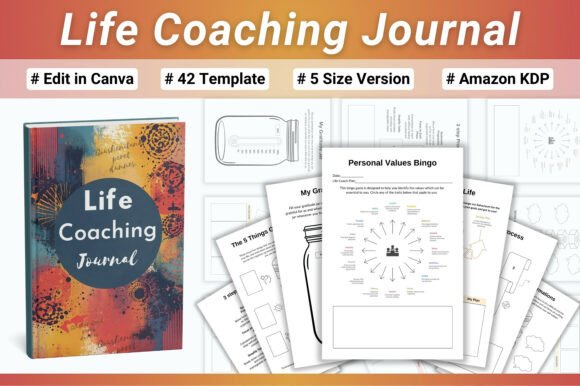
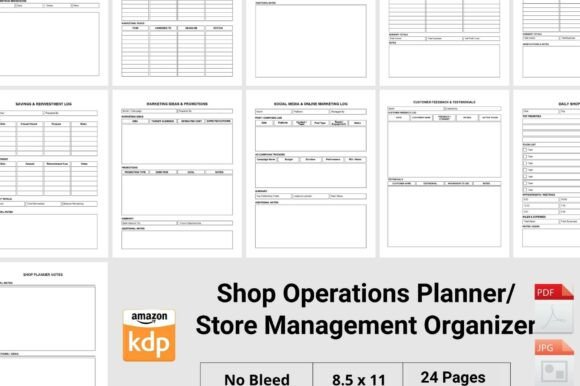
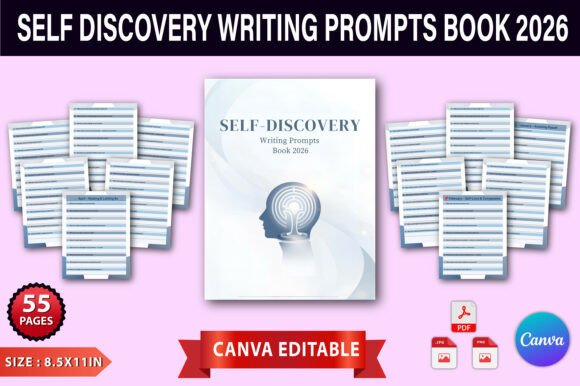
Another point of comparison is the format. While some self-improvement guides are purely text-based, others include illustrations, charts, or even interactive elements. The Self-Improvement Guidebook strikes a balance by offering both written content and visually appealing design elements that enhance the overall user experience. This includes high-quality PDF files, JPG images, and Canva-ready templates that allow users to customize the guidebook to fit their preferences.
When Is the Self-Improvement Guidebook the Right Choice?
The Self-Improvement Guidebook is best suited for individuals who are committed to making small, consistent changes in their lives. If you're someone who values daily reflection, enjoys setting clear goals, and wants to build resilience over time, this guidebook can be an excellent addition to your personal development toolkit.
It’s also a great choice for those who are new to self-improvement and may be overwhelmed by the sheer number of options available. The structured nature of the guidebook helps users avoid decision fatigue by providing a clear path forward. For example, if you're trying to develop better time management skills, the guidebook’s focus on habit formation can help you create a sustainable routine that leads to measurable results.
However, it’s important to note that the Self-Improvement Guidebook may not be the right fit for everyone. If you prefer a more dynamic or interactive learning experience, such as live coaching sessions or group workshops, you might want to explore other formats. Similarly, if you’re looking for a highly personalized approach that involves one-on-one guidance, this guidebook may not provide the level of support you need.
Exploring Alternatives and Best-Fit Situations
While the Self-Improvement Guidebook is a strong option for many, there are several alternatives that may be more suitable depending on your specific needs and goals. For example, if you're interested in mindfulness and meditation, apps like Headspace or Calm might offer a more immersive experience. These platforms provide guided sessions that can help you cultivate inner peace and reduce stress, which are also key components of the Self-Improvement Guidebook.
If you're looking for a more community-driven approach, online forums or local support groups can be invaluable. These spaces allow you to connect with others who are on a similar journey, share experiences, and receive encouragement. This kind of social support can be especially beneficial when dealing with challenges that require emotional resilience.
On the other hand, if you prefer a more visual or creative approach to self-improvement, you might find value in tools like vision boards or journaling prompts. These methods can complement the Self-Improvement Guidebook by helping you visualize your goals and track your progress in a more engaging way.
Realistic Examples and Practical Comparisons
To better understand how the Self-Improvement Guidebook fits into the broader landscape of self-improvement resources, let’s consider a few realistic examples. Imagine you’re a working professional who struggles with burnout and feels like you’re constantly running on autopilot. The Self-Improvement Guidebook could help you regain control by introducing daily practices that promote mental clarity and emotional balance.
Alternatively, suppose you're a student preparing for exams and need to improve your focus and study habits. The guidebook’s emphasis on discipline and goal-setting could be a valuable tool in helping you stay motivated and organized throughout your academic journey.
In both cases, the guidebook serves as a flexible resource that can be adapted to different situations and lifestyles. Its strength lies in its ability to provide actionable insights without being overly prescriptive, allowing users to tailor the content to their individual needs.
Making an Informed Decision
Ultimately, the decision to use the Self-Improvement Guidebook depends on your personal preferences, learning style, and goals. If you're looking for a structured, easy-to-use resource that supports daily growth and long-term change, this guidebook is likely a great fit. However, if you prefer a more interactive or community-based approach, you may want to explore other options that align better with your needs.
By understanding the strengths and limitations of the Self-Improvement Guidebook, as well as the alternatives available, you can make a more informed decision about which resource will best support your self-improvement journey. Remember, the key to personal growth is not about finding the perfect solution—but about consistently taking steps toward the life you want to live.