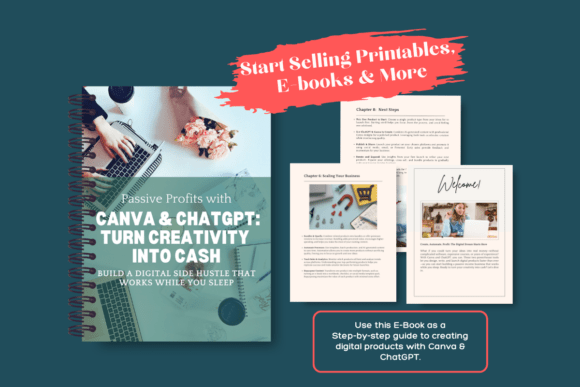
Passive Profits with Canva and ChatGPT: Turn Creativity into Income
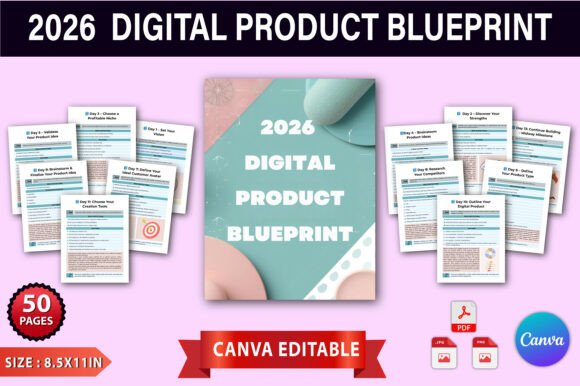
Creating and selling digital products has become one of the most accessible ways to generate income online. With the right tools and strategies, anyone can build a profitable side hustle or even a full-time business. Passive Profits with Canva and ChatGPT is a guide designed to help creators, entrepreneurs, and small business owners leverage these powerful tools to turn their ideas into revenue. Whether you're just starting out or looking to scale your existing ventures, this step-by-step resource offers practical insights and actionable advice.
Why You Should Consider Passive Profits with Canva and ChatGPT
Canva and ChatGPT are two of the most popular tools in the creative and content creation space. Canva provides an intuitive design platform that makes it easy to create professional-looking graphics, templates, and other visual assets. ChatGPT, on the other hand, is a powerful AI language model that can assist with writing, brainstorming, and content generation. Together, they form a dynamic duo that can significantly reduce the time and effort required to produce high-quality digital products.
But before diving in, it's important to understand how these tools work and what you can realistically expect from them. Many users approach Canva and ChatGPT with high expectations, only to be disappointed when results don't meet their goals. This guide aims to help you avoid common pitfalls and make informed decisions about how to use these tools effectively.
Common Mistakes When Using Canva and ChatGPT
One of the biggest mistakes people make when using Canva is assuming that great design comes from just using the tool. While Canva offers a wide range of templates and design elements, it's still essential to have a basic understanding of design principles. Without this knowledge, even the most visually appealing templates may not resonate with your target audience.
Similarly, some users treat ChatGPT as a magic wand for content creation. They input a query and expect flawless results without any editing or refinement. In reality, ChatGPT generates content based on patterns it has learned from vast amounts of data. It doesn’t replace human creativity or critical thinking—it enhances it.
Another common mistake is not investing enough time in planning and research. Many people rush into creating products without considering their market demand, pricing strategy, or distribution channels. This can lead to wasted effort and low sales. A well-thought-out plan is crucial for long-term success.
How These Mistakes Affect Your Results
Ignoring design fundamentals can result in products that look unprofessional or fail to stand out in a crowded market. Poorly designed digital products may not attract buyers, leading to lower sales and reduced profitability.
Over-relying on ChatGPT without editing or refining the output can lead to generic, repetitive, or poorly structured content. This can harm your brand’s credibility and reduce customer engagement.
Lack of planning can cause inefficiencies in your workflow and limit your ability to scale. Without a clear strategy, you may find yourself stuck in a cycle of trial and error, which is both time-consuming and costly.
Practical Advice to Avoid These Mistakes
To get the most out of Canva and ChatGPT, start by learning the basics of design and content creation. Take advantage of free tutorials and courses available online. Understanding color theory, typography, and layout principles will help you make better design choices and improve the overall quality of your products.
When using ChatGPT, always review and edit the generated content. Treat it as a starting point rather than a final product. Use it to speed up your workflow, but don’t rely solely on it for accuracy or creativity. Combine AI-generated ideas with your own insights to create unique and compelling content.
Before launching your digital products, conduct thorough market research. Identify your target audience, analyze competitors, and determine what kind of products will appeal to them. This will help you create offerings that are both relevant and profitable.
Realistic Examples and Better Approaches
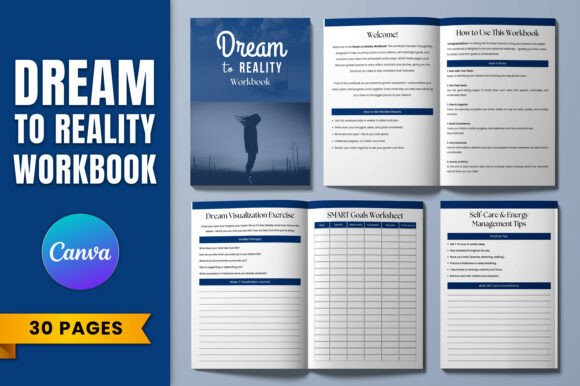
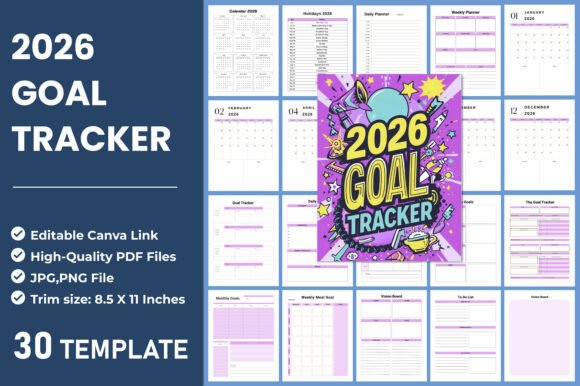
For example, if you’re creating printables, don’t just download a template and upload it to Etsy. Instead, consider what your customers need. Are they looking for budget-friendly planners? Educational resources for kids? Or motivational quotes for daily inspiration? Tailor your designs to meet specific needs, and you’ll see better results.
When using ChatGPT to write blog posts or social media content, start with a clear outline. Input your main points and let the AI help you flesh out the details. Then, refine the content to ensure it aligns with your brand voice and messaging. This approach ensures consistency and quality while saving time.
What to Check Before Making a Decision
Before committing to any tool or strategy, ask yourself a few key questions. Is this the right tool for my goals? Do I have the time and skills to use it effectively? What are the costs involved, and am I willing to invest in learning and improvement?
Also, consider the long-term benefits. Will this tool help me grow my business over time, or is it just a short-term solution? Look for tools that offer scalability, flexibility, and support for different stages of your business journey.
Final Thoughts
Passive Profits with Canva and ChatGPT is more than just a guide—it's a roadmap to building a sustainable digital product business. By avoiding common mistakes, making informed decisions, and leveraging the strengths of these tools, you can create high-quality products that resonate with your audience and generate consistent income.
Whether you're a beginner or an experienced creator, this guide offers valuable insights that can help you succeed in the world of digital product creation. Start today, stay focused, and watch your creativity turn into real profits.