Unlocking Childhood Letters: A Healing Journey Through Words
In today’s fast-paced world, emotional well-being often takes a backseat to productivity and performance. Yet, the foundation of our mental health is deeply rooted in our past—specifically, our childhood experiences. Unlocking Childhood Letters offers a unique and powerful approach to healing by inviting individuals to revisit, reflect, and release unresolved emotions through the act of writing. This guided journal is more than just a tool for self-expression; it’s a strategic method for emotional clarity, personal growth, and long-term well-being.
What Is Unlocking Childhood Letters?
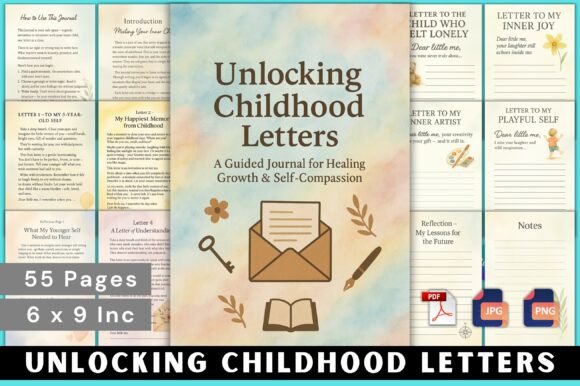
Unlocking Childhood Letters is a deeply personal guided journal designed to help adults reconnect with their inner child and process emotional wounds that may have shaped their current mindset and behaviors. It combines the therapeutic power of writing with structured prompts that encourage introspection, forgiveness, and self-compassion. The journal includes 55 pages of thoughtfully crafted exercises, each designed to guide users through a journey of emotional release and renewal.
The journal features a variety of themed prompts such as “To My Younger Self,” “To Someone Who Hurt Me,” and “To My Future Self.” These letters serve as a bridge between the present and the past, allowing individuals to confront old pain, express unspoken feelings, and cultivate a deeper understanding of themselves. Each letter is accompanied by reflective pages where users can explore insights, write down lessons learned, and track their progress over time.
Why Is This Tool Strategically Useful?
For professionals, entrepreneurs, and decision-makers, emotional clarity is essential for making sound choices and achieving long-term success. Unlocking Childhood Letters provides a practical framework for identifying and addressing emotional blocks that may be hindering productivity, creativity, or communication. By resolving past trauma, users can create a more balanced and focused mindset, which in turn supports better decision-making and stronger relationships.
This journal also serves as a valuable tool for personal branding and self-awareness. As individuals work through their emotional history, they gain insight into their values, motivations, and patterns of behavior. This self-knowledge can be leveraged to build a more authentic and compelling personal brand, whether in business, marketing, or creative pursuits.
Additionally, the journal’s emphasis on forgiveness and self-compassion makes it particularly useful for those in roles that require high emotional intelligence, such as educators, coaches, and leaders. By processing their own emotional wounds, users can develop greater empathy and resilience, which are critical for fostering positive change in others.
When to Use Unlocking Childhood Letters
Unlocking Childhood Letters is best used when an individual is ready to engage in deep self-reflection and emotional processing. It is particularly effective during times of transition, such as career changes, relationship shifts, or periods of burnout. It can also be used as part of a broader wellness routine, especially for those who struggle with stress, anxiety, or recurring emotional patterns.
For professionals, this journal can be incorporated into a personal development plan as a tool for enhancing emotional intelligence and improving workplace dynamics. For creatives and freelancers, it can serve as a source of inspiration and motivation by helping them reconnect with their authentic voice and purpose.
It is important to note that while the journal is designed for individual use, it can also be adapted for group settings or workshops, making it a versatile resource for both personal and organizational growth.
How to Approach Unlocking Childhood Letters Intentionally
To get the most out of Unlocking Childhood Letters, it is essential to approach it with intention and mindfulness. Begin by setting aside dedicated time for journaling, ideally in a quiet and comfortable space free from distractions. This helps create a sense of safety and openness, which is crucial for emotional exploration.
Start with one of the guided letters, choosing a prompt that resonates with your current emotional state. Allow yourself to write freely without judgment, even if the words feel raw or uncomfortable. After writing, take time to reflect on what emerged. Consider how these thoughts connect to your present life and what steps you might take to move forward.
As you progress through the journal, keep track of your insights and breakthroughs. Use the self-reflection sections to document lessons learned and emotional milestones. This not only reinforces your growth but also provides a tangible record of your journey.
Practical Examples and Strategic Observations
Consider the case of a small business owner who has been struggling with self-doubt and perfectionism. By using Unlocking Childhood Letters, they may uncover patterns of fear and insecurity rooted in childhood experiences. Writing to their younger self could help them reframe these beliefs and develop a more compassionate and resilient mindset, ultimately leading to improved leadership and team dynamics.
Another example is a marketer looking to enhance their creative output. By engaging with the journal’s prompts, they may identify emotional barriers that are limiting their ability to think innovatively. Releasing these emotional blocks can lead to more authentic and impactful marketing strategies.
Strategically, Unlocking Childhood Letters can be integrated into various aspects of professional life, including goal-setting, planning, and decision-making. It encourages a more holistic approach to success by addressing the emotional undercurrents that influence outcomes.
Risks of Using Without Clear Goals
While Unlocking Childhood Letters is a powerful tool, it is not a quick fix. Without clear goals or context, users may find themselves overwhelmed by emotions or stuck in cycles of reflection without meaningful action. It is important to approach the journal with a defined purpose, whether it is to heal a specific wound, improve emotional resilience, or enhance self-awareness.
Additionally, some individuals may experience temporary discomfort or emotional distress as they confront unresolved issues. It is advisable to use the journal in conjunction with other support systems, such as therapy or trusted friends, to ensure a safe and supportive environment for healing.
Long-Term Value and Realistic Use Cases
The long-term value of Unlocking Childhood Letters lies in its ability to foster lasting emotional transformation. Unlike temporary coping mechanisms, this journal encourages a deeper and more sustainable approach to healing. Over time, users may notice improvements in their emotional regulation, communication skills, and overall well-being.
For professionals, this can translate into better workplace performance, stronger client relationships, and more effective leadership. For creatives, it can lead to more authentic and meaningful work. For educators and coaches, it can enhance their ability to connect with and support others.
Ultimately, Unlocking Childhood Letters is not just a journal—it is a roadmap for emotional healing and personal growth. By embracing the power of writing, individuals can unlock new levels of clarity, compassion, and purpose in their lives.