Leaf Study Activity Book: A Tool for Engaging Science Learning
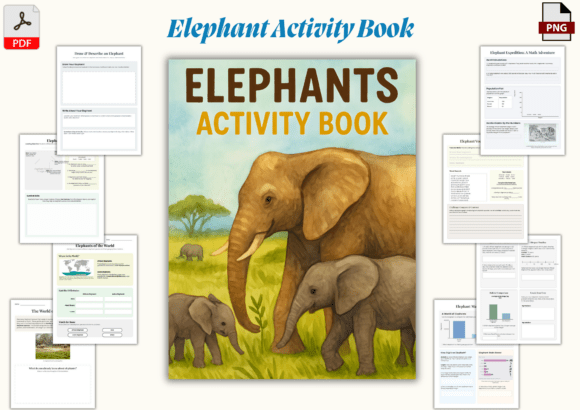
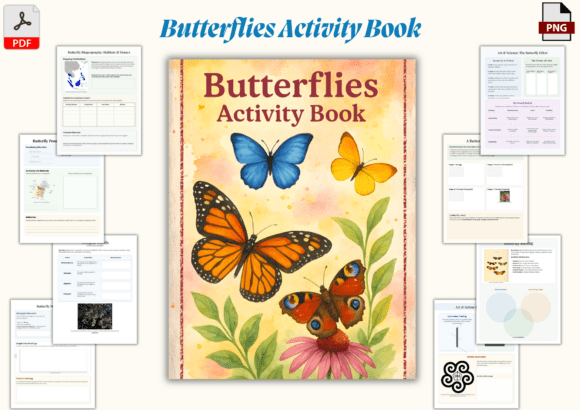
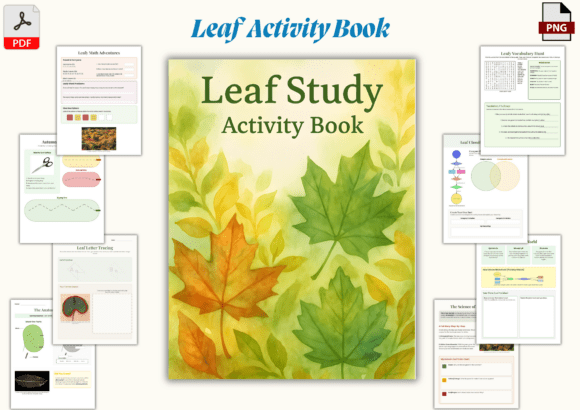
The Leaf Study Activity Book is a 26-page, interactive workbook designed to deepen understanding of plant biology through hands-on exploration. With its watercolor-inspired design and educational focus, it serves as a valuable resource for educators, homeschoolers, and nature enthusiasts looking to integrate science with creative learning. This printable format—available in PDF and PNG—makes it easy to use in both classroom and home environments, offering flexibility for different learning styles and settings.
Integrating Leaf Study Activity Book into Educational Workflows
For educators and homeschooling parents, the Leaf Study Activity Book fits naturally into science curricula and nature-based learning units. Its structured yet open-ended approach supports both guided instruction and independent discovery. The book includes observation worksheets, data recording tools, and labeling exercises that align with STEM education goals, making it a versatile tool for reinforcing scientific concepts.
When used in conjunction with field trips or outdoor learning sessions, the Leaf Study Activity Book becomes an essential companion. Students can collect leaf samples, record observations, and later refer back to the book’s diagrams and charts for comparison. This integration helps bridge theoretical knowledge with real-world application, enhancing retention and engagement.
Supporting Different Learning Stages
The Leaf Study Activity Book can be utilized at various stages of a learning journey. Before diving into a botany unit, it can serve as a pre-activity tool to spark curiosity and set foundational knowledge. During the learning process, it acts as a reference guide and activity support, helping students organize their findings and develop critical thinking skills. After completing a project or lesson, the book can function as a review tool, reinforcing key concepts and encouraging further exploration.
Its adaptability also makes it suitable for both short-term projects and long-term educational planning. Educators can incorporate it into weekly science lessons, while parents may use it as part of a broader nature study program. Whether used daily or as a supplementary resource, the Leaf Study Activity Book offers consistent value across different learning contexts.
Design and Format Considerations
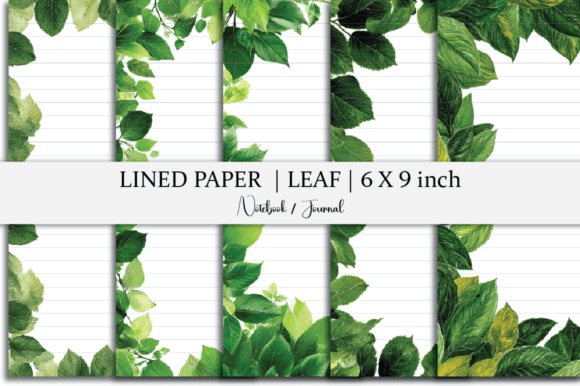
The 8.5 x 11 inch size of the Leaf Study Activity Book ensures it is user-friendly and suitable for both desk-based and fieldwork scenarios. Its print-ready format allows for easy customization, enabling users to print multiple copies or use it digitally for remote learning environments. The watercolor theme not only enhances visual appeal but also creates a calming atmosphere conducive to focused learning.
The inclusion of both PDF and PNG files adds to the book’s accessibility. Teachers can use the PDF version for classroom distribution, while the PNG format allows for digital annotation and modification. This dual-format approach caters to diverse needs, ensuring the resource remains relevant in both traditional and modern educational settings.
Enhancing Collaboration and Creativity
One of the strengths of the Leaf Study Activity Book lies in its ability to foster collaboration and creativity. The journaling sections and comparison graphs encourage students to document their findings in a personal and artistic manner. These features make the learning experience more engaging and allow for individual expression within a structured framework.
In group settings, the book can be used to promote teamwork and discussion. For example, students can work together to identify and classify leaves, using the provided charts and illustrations as guides. This collaborative approach not only reinforces scientific knowledge but also develops communication and problem-solving skills.
Practical Implementation Tips
To maximize the effectiveness of the Leaf Study Activity Book, consider the following practical tips:
- Plan Ahead: Organize your materials and set aside dedicated time for leaf study activities to ensure consistency and depth in learning.
- Use Real-World Examples: Encourage students to bring in leaf samples from their environment, promoting real-life connections to the material.
- Combine with Technology: Use digital tools such as apps for identifying plants or creating digital journals to complement the book’s content.
- Encourage Reflection: Incorporate reflection prompts to help learners internalize what they’ve learned and apply it to new situations.
These strategies help create a well-rounded learning experience that goes beyond the pages of the book, fostering a deeper connection between theory and practice.
Compatibility with Other Educational Resources
The Leaf Study Activity Book is designed to work seamlessly with other educational resources and tools. It complements science kits, plant identification apps, and online courses by providing a tangible way to apply and reinforce concepts. For instance, after using an app to identify a plant species, students can use the book’s classification charts to verify their findings and compare characteristics.
It also integrates well with project-based learning initiatives, where students can use the book as a reference during research and experimentation phases. This compatibility ensures that the Leaf Study Activity Book remains a useful tool throughout the entire learning process, rather than being limited to a single activity or lesson.
Long-Term Use and Sustainability
For those looking to maintain a long-term commitment to science education, the Leaf Study Activity Book offers a sustainable solution. Its reusable format means it can be printed multiple times or used digitally, reducing waste and supporting eco-friendly practices. Additionally, the book’s structured layout makes it easy to revisit and update, ensuring continued relevance and utility over time.
By incorporating the Leaf Study Activity Book into regular routines, educators and learners can build a foundation of botanical knowledge that supports future learning and exploration. Whether used as a standalone resource or in combination with other materials, it provides a reliable and effective way to engage with the natural world.